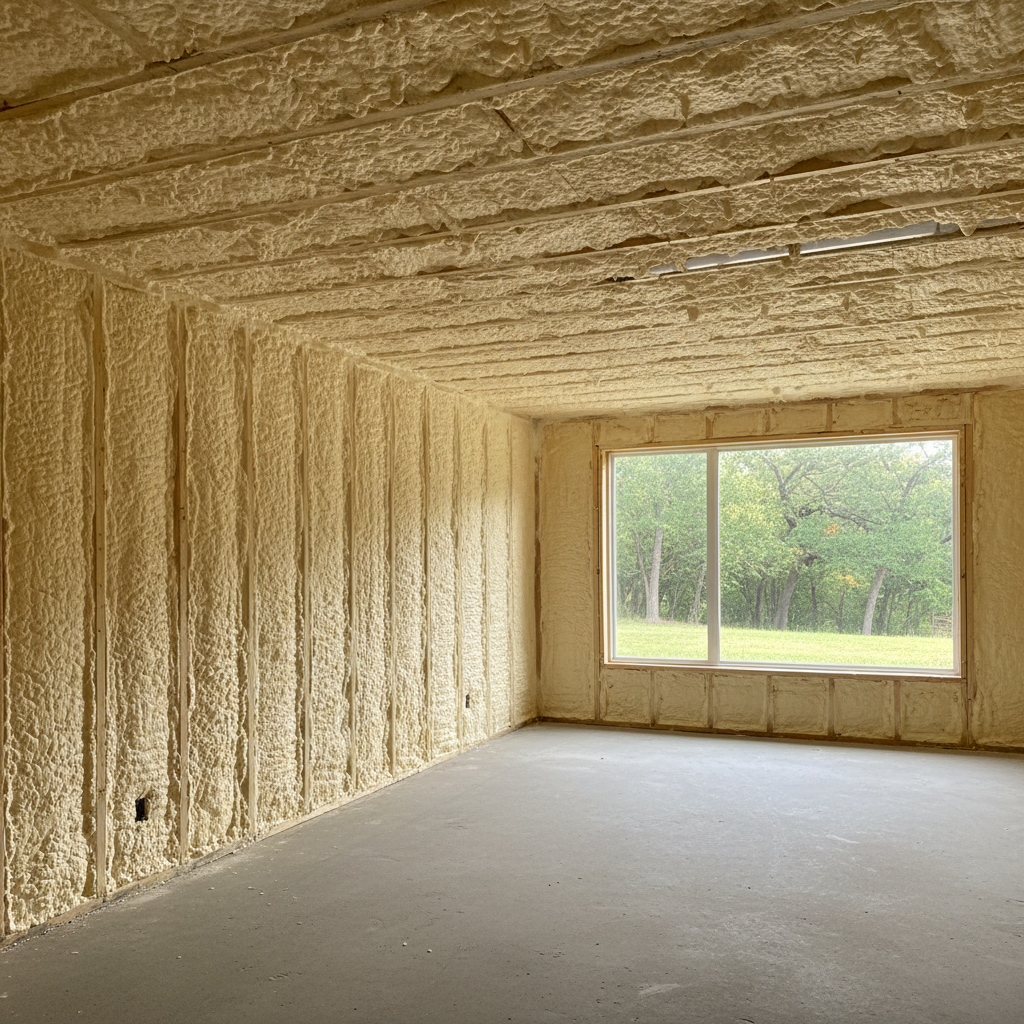
Basements. They're not as common here in Midlothian as they are up north, but when you've got one, you know it's a huge bonus for extra space. Whether it's a finished living area, a workshop, or just storage, keeping it comfortable and dry is absolutely essential. And that usually means insulation. So, when's the best time to tackle that, and what do you really need to watch out for?
When's the Right Time to Insulate Your Basement?
Honestly, you can insulate a basement pretty much any time of year. But some seasons are definitely better than others, especially when you think about the crew working down there and how certain materials need to cure. If you're building new, it's obviously part of the construction schedule – usually after the foundation is poured and waterproofed, but before interior walls go up.
For existing basements, I always lean towards spring or fall. Why? Well, it's a lot about comfort for the guys doing the work, but also about the conditions, you know?
- Spring (March-May): This is a fantastic window. The ground's thawed out, but we haven't hit the really brutal Texas heat yet. Humidity levels are generally moderate, which is great for spray foam applications that need specific temperature and moisture conditions to cure properly. Plus, you'll have it ready before summer hits and you're trying to keep that cool air in.
- Fall (September-November): Another sweet spot. The summer humidity starts to drop, and temperatures are pleasant. It's perfect for getting your basement ready to be cozy and energy-efficient before winter's chill arrives. You'll thank yourself when those first cold snaps hit and your basement isn't a freezer anymore.
- Summer (June-August): You *can* do it, but it's tougher. The heat and humidity are intense. If you're using spray foam, we have to be extra careful with ventilation and make sure the conditions are just right for curing. It's not impossible, but it's not ideal.
- Winter (December-February): This can be okay, especially if it's a milder winter. But if we get a freeze, working in an unheated basement can be pretty miserable, and some materials might not perform their best in very cold temperatures.
Weather Conditions Really Do Matter
When I talk about weather affecting basement insulation, I'm mostly thinking about two things: temperature and humidity. For most types of insulation, like batt or rigid foam boards, it's not as critical. But if you're going with spray foam — which I often recommend for basements because it seals so well against moisture and air leaks — these factors are huge.
Spray foam needs specific temperatures to mix and cure correctly. If it's too cold, it won't expand right. If it's too hot, it can cure too fast. Humidity also plays a role in the curing process. That's why those spring and fall months, with their milder temps and more stable humidity, are often the best bet. We're always checking the forecast and the internal conditions of your basement before we start a spray foam job. We've seen some pretty wild swings in temperature and humidity in Midlothian, sometimes even in the same day, so planning is absolutely key.
Another thing to consider is rain. While basement insulation is usually an interior job, excessive rain can raise the water table around your foundation. If you've got any existing moisture issues, you'll want those addressed and dried out completely before we even think about putting up insulation. You definitely don't want to trap moisture behind new insulation; that's just asking for trouble down the road.
Protecting Your Basement Insulation Investment Year-Round
So, you've invested in good insulation for your basement. Fantastic! Now, how do you make sure it lasts and keeps doing its job for decades?
- Manage Moisture: This is the absolute biggest one for basements. Insulation and moisture just don't mix. Make sure your exterior drainage is good – downspouts extending away from the foundation, proper grading so water flows away from your house. Inside, a good dehumidifier is your best friend, especially during our humid Texas summers. If you've got any leaks, fix them immediately. Don't let water sit.
- Maintain Temperature: Even if your basement isn't heated or cooled directly, try to keep its temperature relatively stable. Extreme swings can put stress on materials over time.
- Ventilation: If your basement isn't completely sealed and conditioned, make sure there's some airflow. Stagnant, humid air is a breeding ground for mold, which can compromise your insulation and your air quality.
- Pest Control: Just like an attic, a basement can be attractive to pests. Make sure any cracks or openings to the outside are sealed up. You don't want rodents or insects nesting in your insulation, do you?
- Regular Checks: Every now and then, just take a walk through your basement. Look for any signs of moisture, mold, or damage to the insulation. Catching a small problem early can save you a huge headache and expense later.
Insulating your basement is a smart move for comfort and energy efficiency. Here at Alpha Insulation, we've helped plenty of folks in Midlothian make their basements usable, comfortable spaces. Just make sure you're thinking about the timing and how to protect that investment, and you'll be set.