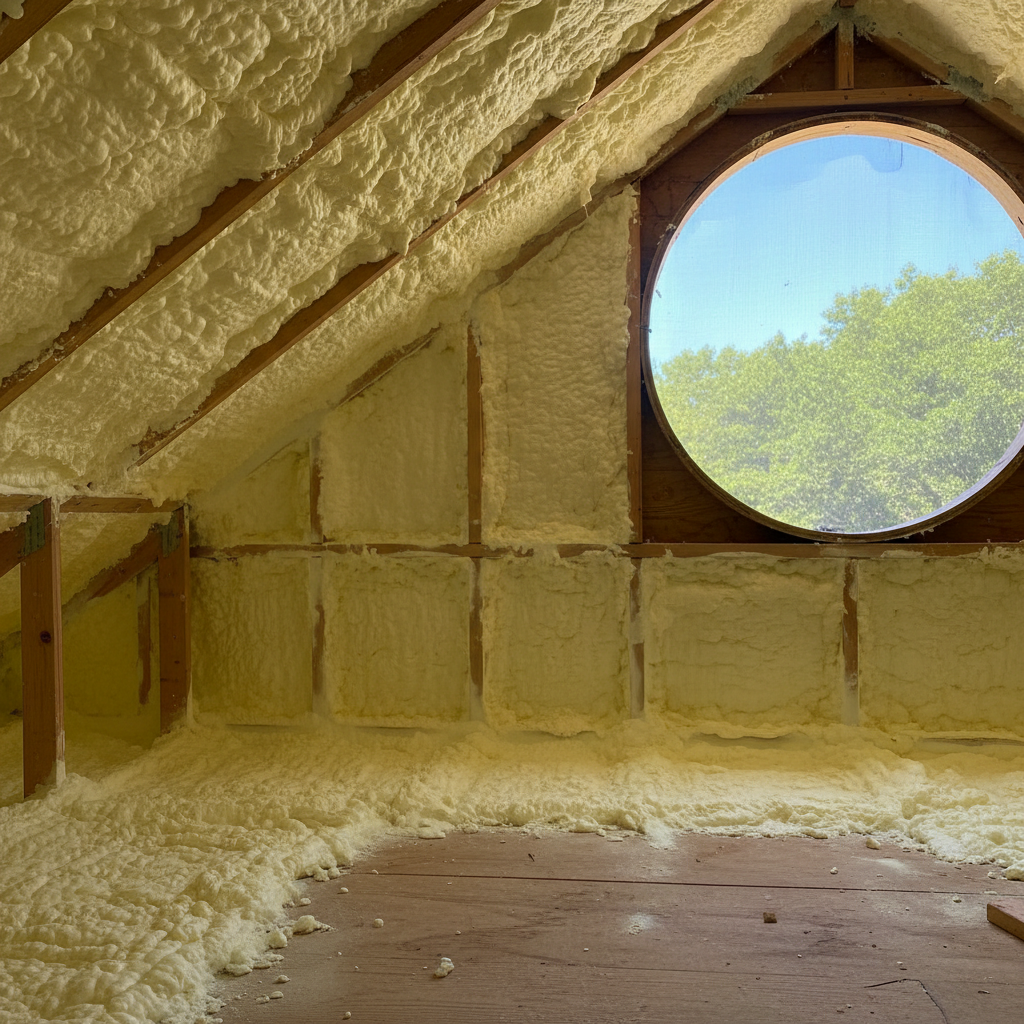
Alright, so you've put open-cell spray foam insulation in your Midlothian home. Smart move, really. It’s fantastic for keeping your energy bills down and your house comfortable, especially with our scorching summers and those occasional deep freezes we get. But, just like anything else in your house, it’s not something you can just 'set and forget' forever. You’ve got to give it a little attention now and then to make sure it keeps doing its job for decades.
I've seen plenty of homes around here, from those older ranch styles near Heritage High School to the newer builds out by Mockingbird Lane, and proper insulation maintenance really does make a difference.
Making Your Open-Cell Spray Foam Last Longer
The good news is, open-cell spray foam is pretty tough stuff. It won't just fall apart on you. The best thing you can do to make it last longer is to protect it from damage. That means keeping it dry and leaving it alone. Since open-cell foam lets vapor through, it can soak up moisture if water hits it directly. So, if you've got it in an attic, double-check your roof isn't leaking. If it's in a crawl space, keep that area dry and well-ventilated. Any water getting in is bad news for any insulation, but especially for open-cell. Also, try not to squish it or poke at it unnecessarily. Once it's set, it's supposed to stay put.
What "Regular Maintenance" Actually Looks Like
Honestly, "regular maintenance" for open-cell spray foam isn't a huge chore. It’s more about just looking at it every so often. I tell folks to do a quick check-up twice a year. Maybe once in the spring before the heat really kicks in, and again in the fall before winter. Here’s what you should look for:
- Just Look at It: Does it look like it did when we first put it in? Is it still stuck firmly to the surfaces? Are there any obvious gaps or spots where it looks like it's pulled away?
- Feel for Moisture: This is a big one, perhaps the biggest. Feel the foam. Does it feel damp or spongy? Are there any water stains on the foam itself or the wood around it? If you find moisture, you've got a bigger problem than just the insulation – you've got a leak somewhere that needs fixing, and fast.
- Pest Activity: Spray foam isn't food for pests, but they can sometimes tunnel through it if they're trying to get somewhere else. Look for any signs of rodent droppings, nests, or tunnels in the foam.
- Drafts: Sometimes, especially around pipes or wires poking through, small gaps can open up over time. If you're in an accessible area like an attic, you might even feel a draft.
That's really all you need to do. Keep it dry, keep it undisturbed, and give it a once-over every now and then.
Signs of Trouble
Okay, so what if you *do* spot something during your check-up? Here are the red flags that tell you something's not quite right:
- Damp or Wet Foam: This is the number one warning sign, no doubt about it. If your open-cell foam is wet, it's not insulating properly, and it means water is getting in somewhere. You'll probably see water stains, or the foam might feel heavy and soaked.
- Mold or Mildew Growth: If you see black, green, or white fuzzy stuff growing on or around the foam, that's mold. Mold needs moisture to grow, so again, you’ve got a water problem.
- Sagging or Detached Foam: If parts of the foam are sagging, pulling away from the studs or roof deck, or have completely fallen off, it means the adhesive failed or there's been some structural movement.
- Noticeable Drafts or Cold Spots: If you're suddenly feeling drafts in areas that were previously sealed, or if certain rooms are much colder or hotter than they used to be, it could mean a breach in the insulation.
- Increased Energy Bills: This is a general sign, but if your energy bills suddenly spike without you using more energy, it's worth checking your insulation.
When to Call a Professional
Look, you don't need to call me or Alpha Insulation every time you see a cobweb. But there are definitely times when you should pick up the phone. If you find any of those major warning signs – especially wet foam, mold, or significant sagging – that's when you call in the pros. We can figure out what's causing the moisture, repair or replace the damaged foam, and make sure your home's thermal envelope is sealed up tight again.
Don't try to patch up major water damage yourself. You might fix the symptom, but not the actual cause. Also, if you need to do any big work in an area with spray foam – like running new electrical lines or plumbing – it's often best to have us come out. We can carefully cut and reseal the foam to keep it working right. It’s all about protecting your investment and keeping your home comfortable and efficient for the long haul. A little vigilance goes a long way, don't you think?