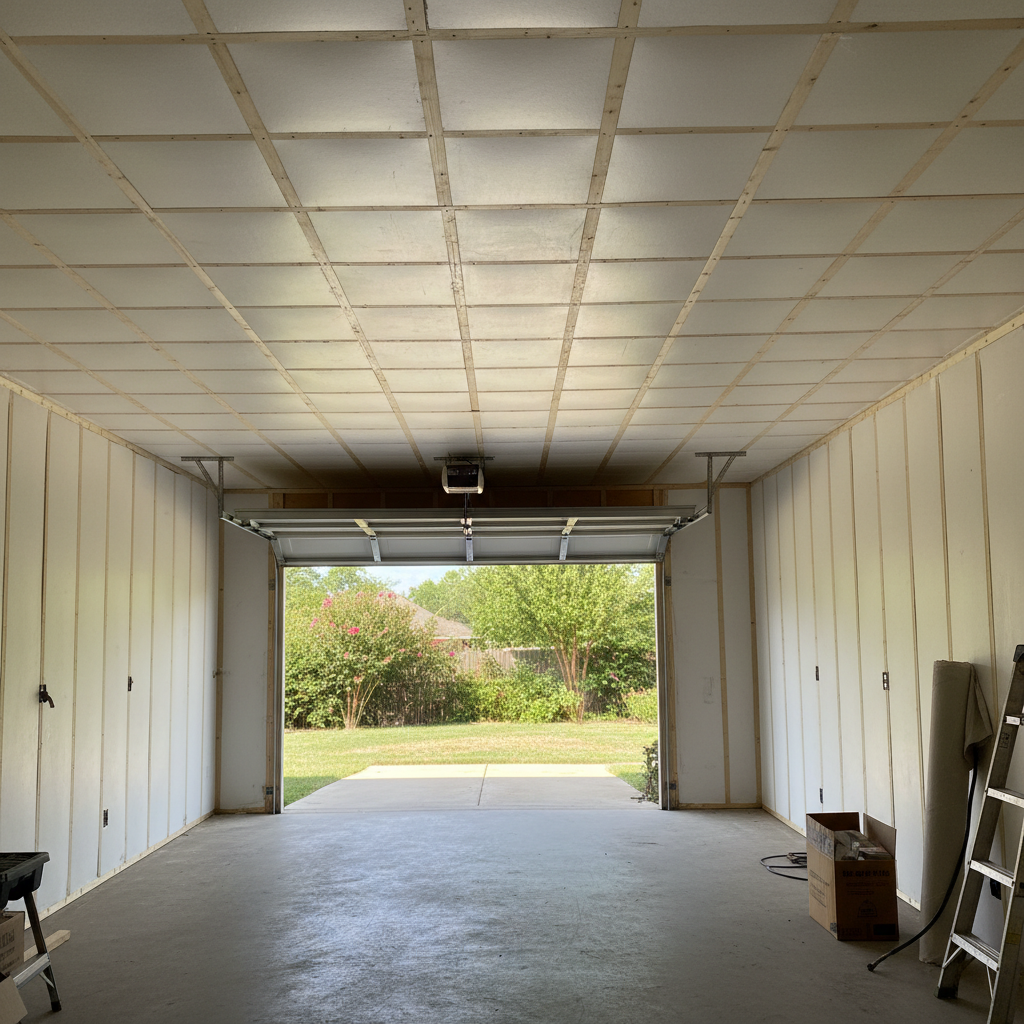
Alright, so you've decided it's time to upgrade your home's insulation. Good call. It's one of the best investments you can make for comfort and energy bills, especially with our Texas summers. But here's the thing: not all insulation contractors are created equal. You need to know how to pick a good one, or you'll end up with a mess, a leaky house, and a lighter wallet. I've been doing this a long time here in Midlothian, and I've seen it all. Let's talk about what you need to do.
What Questions Should You Ask?
When you get a contractor out to your place, don't be shy. You're hiring them for a big job, so you've got every right to ask tough questions. Here's what I'd want to know if I were in your shoes:
Are you licensed and insured? This is non-negotiable. They should have general liability insurance at minimum, and worker's comp if they have employees. Ask for proof. Don't just take their word for it. If they can't provide it, show 'em the door.
How long have you been in business? Experience matters. A company that's been around for a while, especially in our local area, knows the specific challenges we face, like the expansive clay soils around the Mountain Peak area that can affect foundation and thus, sometimes, how insulation needs to be approached in older homes.
What kind of insulation do you recommend for my home, and why? They should be able to explain their recommendation clearly. If they just push one product without explaining why it's right for your specific situation (attic, walls, crawl space, etc.), that's a yellow flag. There's no one-size-fits-all solution.
What's your process for installation? A good contractor will walk you through the steps, from prep work to cleanup. They should talk about sealing air leaks, proper ventilation, and safety precautions.
Do you offer a warranty on your work or materials? Most reputable companies will stand behind their work. Get the warranty details in writing.
Can you provide references? A confident contractor will happily give you a few names of past clients you can call. If they hem and haw, that's not a good sign.
What to Look For in a Quote
You'll probably get a few quotes, and that's smart. But don't just pick the cheapest one. That's a classic mistake. Here's what a good quote should include:
Detailed Scope of Work: It should clearly state what they're going to do. What type of insulation? How much (R-value)? Where exactly will it be installed? Will they remove old insulation? Seal air leaks? Include ventilation baffles? The more detail, the better.
Material Specifications: The brand and type of insulation, the R-value, and the quantity. You want to know exactly what you're paying for.
Total Cost & Payment Schedule: Obvious, right? But make sure it's an all-inclusive price. No hidden fees. And understand the payment terms – usually a deposit, then final payment upon completion and your satisfaction.
Timeline: When will they start? How long will it take? Good to know for planning.
Cleanup Plan: Will they protect your home during the work? How will they clean up afterward? You don't want insulation debris all over your house.
Warranty Information: Again, get it in writing right on the quote or as an attachment.
Red Flags to Watch Out For
Some things just scream 'trouble.' If you see any of these, pump the brakes:
High-Pressure Sales Tactics: "This deal is only good today!" "Sign now or lose out!" Run. A good contractor doesn't need to strong-arm you.
Unsolicited Door-to-Door Offers: Especially after a storm. They might claim to be working in the area and noticed your insulation looks bad. Often these are storm chasers, not local, reputable businesses.
Demanding Full Payment Upfront: A reasonable deposit is fine, but never pay for the whole job before any work starts. That's a huge risk.
No Written Contract or Quote: If they just give you a verbal price, that's a no-go. Everything needs to be in writing.
Extremely Low Bids: If one quote is drastically lower than the others, there's usually a reason. They might be cutting corners on materials, labor, or not carrying proper insurance. You get what you pay for.
Refusal to Provide References or Proof of Insurance: As I said, this is a deal-breaker. No legitimate business will refuse this.
How to Verify They're Legitimate
You've got a few tools at your disposal to check out a contractor:
Check Online Reviews: Google, Yelp, Facebook, BBB. Look for consistent patterns, good or bad. Don't just focus on one or two reviews; look at the overall picture.
Better Business Bureau (BBB): See if they're accredited and what their rating is. Look at any complaints and how they were resolved.
Verify Insurance: Ask their insurance company to send a Certificate of Insurance directly to you. This confirms coverage and that it's active.
Ask for References: And actually call them! Ask about their experience, if the job was completed on time and budget, and if they'd hire them again.
Check Local Business Registries: Sometimes city or county websites have business license lookups, though for insulation, it's often more about state-level licensing for specific types of work or general business registration.
Picking the right insulation contractor doesn't have to be a headache. Do your homework, ask the right questions, and trust your gut. Here at Alpha Insulation, we believe in transparency and doing the job right the first time. We've built our reputation on it. You deserve a comfortable home and peace of mind, so take these steps to make sure you get it.