Is Your Crawl Space a Problem Spot?
Let's talk crawl spaces. If you've got one under your house here in Midlothian, chances are it's not exactly the most glamorous part of your home. But it's a critical one. A poorly insulated crawl space can be a real energy vampire, sucking heat out in the winter and letting hot, humid air in during our brutal Texas summers. I see it all the time – folks complaining about cold floors, high energy bills, and sometimes even a musty smell. That's usually your crawl space screaming for attention.
So, what do you need to know about insulating it? It's not as simple as just throwing some batting down there. There are a few things to consider before you even think about buying materials.
Before You Insulate: Prep Work is Key
Before any insulation goes in, you've got to make sure your crawl space is ready. This is where a lot of homeowners can actually do some good work themselves, saving a few bucks.
- Check for Moisture: This is non-negotiable. If you have standing water or even consistently damp soil, you've got to fix that first. Insulation won't do much good if it gets soaked, and it can even lead to mold and rot. Look for leaky pipes, poor drainage around your foundation, or even just high humidity. Sometimes, a simple vapor barrier (a thick plastic sheet) laid directly on the ground can make a huge difference. For serious water issues, you might need a French drain or even a sump pump. Don't skip this step.
- Seal Air Leaks: Take a flashlight and look for any gaps or cracks in the foundation walls, around pipes, or where the subfloor meets the foundation. Use caulk or expanding foam to seal these up. You'd be surprised how much air can sneak in through these small openings.
- Clean It Out: Remove any debris, old insulation, or anything else that doesn't belong. You want a clean slate to work with.
- Pest Control: Make sure you don't have any uninvited guests living down there. Rodents love to nest in insulation, and they'll chew through it, ruining its effectiveness. Seal up any entry points you find.
These prep steps are crucial. If you neglect them, your new insulation won't perform like it should, and you'll be back to square one sooner than you think. And honestly, for most homeowners, these are tasks you can handle on a weekend, provided you're comfortable getting a little dirty.
What Kind of Insulation Should You Use?
This is where it gets a bit more technical, and where you might start thinking about calling in a pro like Alpha Insulation. There are a few main approaches, and the best one for you depends on your crawl space type and budget.
Ventilated Crawl Space (Most Common Here)
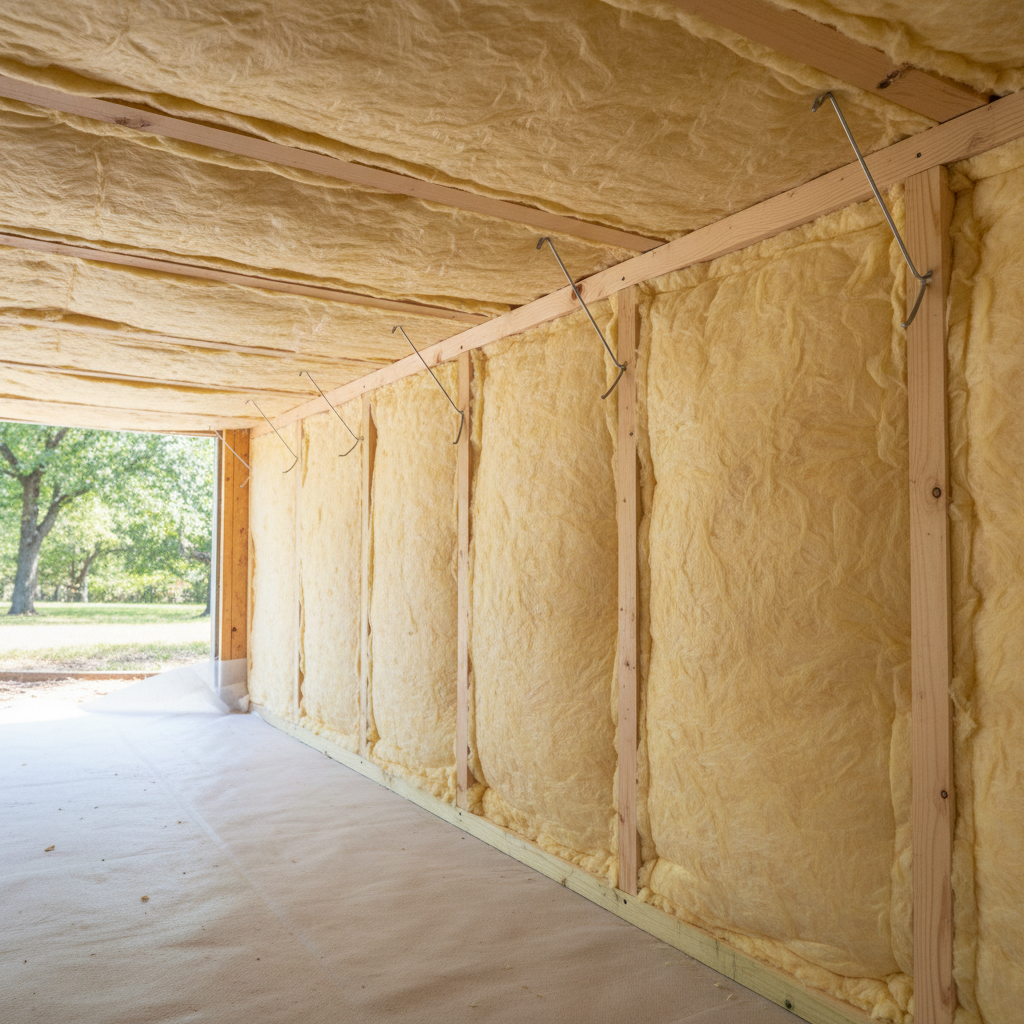
If your crawl space has vents to the outside, the traditional approach is to insulate the subfloor above it. You'd typically use fiberglass batts or mineral wool batts installed between the floor joists. You want to make sure they're held firmly in place, usually with wire hangers or netting, so they don't fall out. The vapor barrier (facing the heated side of the house) should be installed correctly. This is a DIY-friendly option for many, but it's tough work, especially if your crawl space is tight.
Encapsulated or Conditioned Crawl Space
This is my preferred method, and it's becoming more popular for good reason. With encapsulation, you seal off the crawl space from the outside completely. This means closing off those vents, laying down a heavy-duty vapor barrier on the ground and up the foundation walls, and then insulating the foundation walls themselves. You can use rigid foam boards or even spray foam on the walls. The idea here is to bring the crawl space into the conditioned envelope of your home, treating it almost like a mini-basement. This approach drastically reduces moisture, improves air quality, and makes your home much more energy-efficient. This is definitely a job where you'll want to call in a professional. Getting the seals right and applying spray foam effectively requires expertise and specialized equipment.
During the Project: Safety First!
No matter what you're doing down there, safety is paramount. Crawl spaces can be nasty places. Always wear:
- A good quality respirator (N95 or better) to protect against dust, mold spores, and insulation fibers.
- Gloves to prevent skin irritation.
- Eye protection.
- Long sleeves and pants.
- A headlamp or bright work light.
Watch out for exposed wires, sharp objects, and any critters that might be hiding. If you're not comfortable, don't push it. That's what we're here for.
After It's Done: Enjoy the Benefits
Once your crawl space is properly insulated, you'll notice the difference. Your floors won't be as cold in the winter, your AC won't have to work as hard in the summer, and your energy bills should go down. You might even notice less dust and better indoor air quality. It's a significant investment, but it pays off in comfort and savings.
Remember, while some steps are definitely DIY-friendly, especially the prep work, the actual insulation installation, particularly for encapsulation with spray foam, is often best left to the pros. We've got the tools, the experience, and we know how to navigate those tight, dirty spaces efficiently and safely. If you're in Midlothian and thinking about tackling your crawl space, give us a call at Alpha Insulation. We can help you figure out the best approach for your home.