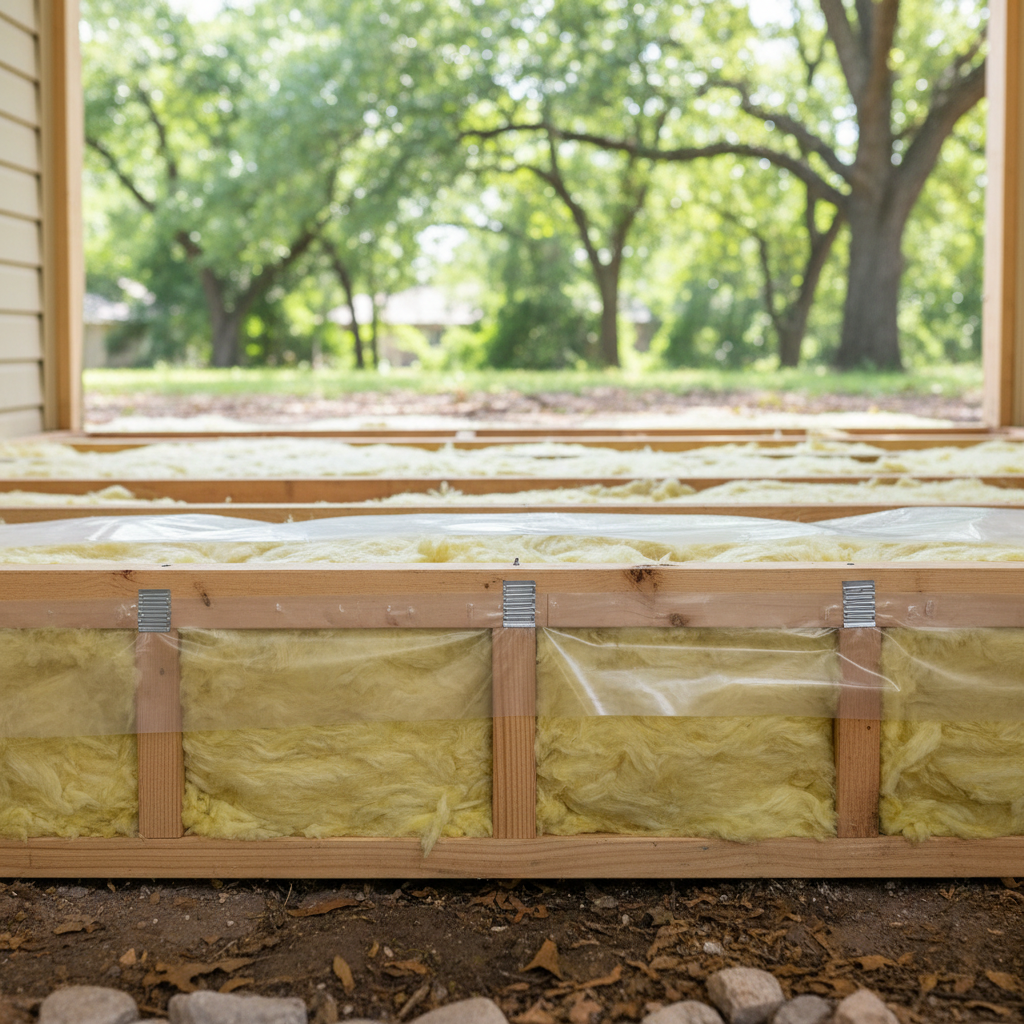
You've got a crawl space, and you've probably got questions about it. Most folks do. It's not exactly the most glamorous part of your home, but boy, is it crucial for comfort and energy bills. Over the years, I've heard just about every question under the sun when it comes to insulating these spaces. So, I figured I'd put together some straight answers to the stuff you're really wondering about.
Do I even need to insulate my crawl space?
Absolutely, you do. Think about it: your crawl space is basically a big open box under your house, exposed to the ground and the outside air. Here in Midlothian, we get some pretty wild temperature swings. Summers are brutal, and while winters aren't as harsh as up north, we still get plenty of cold snaps. Without proper insulation, that ground temperature and outside air are constantly trying to get into your living space, making your HVAC system work overtime. It's like trying to keep a cooler cold with the lid open, really.
What's the deal with vapor barriers? Are they insulation?
No, a vapor barrier isn't insulation, but it's a critical partner to it, especially in a crawl space. A vapor barrier is usually thick plastic sheeting, like a 6-mil or 10-mil polyethylene, laid directly on the ground in your crawl space. Its job is to stop moisture from the soil from evaporating and rising into your crawl space and, eventually, into your home. That moisture can lead to mold, mildew, wood rot, and really mess with your insulation's effectiveness. You can't just insulate over a damp, moldy mess and expect good results, can you? We always recommend a proper vapor barrier as part of any good crawl space insulation strategy.
My crawl space smells musty. Is insulation the problem?
A musty smell usually points to a moisture problem, not necessarily the insulation itself. The insulation might be contributing to it if it's wet and holding that moisture, or if it's damaged and letting in more humid air. But the root cause is almost always excess humidity and a lack of proper ventilation or a good vapor barrier. If you've got a musty smell, we need to address the moisture first. That might mean fixing drainage issues, installing a vapor barrier, or even adding a dehumidifier. Once the moisture is under control, then we can look at replacing any damaged insulation and making sure the space is sealed up right.
Should I insulate the floor joists or the crawl space walls?
This is a big one, and it depends on whether you're ventilating your crawl space or encapsulating it. For a traditional, vented crawl space, you'd typically insulate the floor joists directly under your subfloor. This creates a thermal barrier between your living space and the crawl space below. However, I've seen more and more homeowners in areas like the Mockingbird Park development opt for crawl space encapsulation. If you encapsulate – essentially sealing off the crawl space from the outside and treating it as part of your conditioned space – then you'd insulate the perimeter walls and maybe even the foundation walls, not the floor joists. This keeps the crawl space itself warmer and drier, which is often a better long-term solution for moisture and comfort.
How long does crawl space insulation last?
That really depends on the type of insulation and the conditions in your crawl space. Fiberglass batts, if they stay dry and undisturbed, can last for decades. But if they get wet, compressed, or infested by pests, their lifespan drops dramatically. Spray foam insulation, if applied correctly, can last the lifetime of your home. Rigid foam boards are also very durable. The biggest enemy of any insulation in a crawl space is moisture. If your crawl space is damp, has standing water, or isn't properly sealed, even the best insulation won't last as long as it should. Regular inspections are key to making sure it's still doing its job.
Will insulating my crawl space help with pests?
It can definitely help, but it's not a pest control solution on its own. Good insulation, especially when combined with proper sealing and a vapor barrier, creates a less hospitable environment for pests. Rodents, insects, and other critters love damp, dark, undisturbed spaces. By sealing up entry points, installing a vapor barrier to control moisture, and using insulation that doesn't provide a cozy nest (like some types of rigid foam), you're making your crawl space less attractive to them. We often find evidence of pests when we're doing insulation work for Alpha Insulation, and addressing those entry points is always part of a thorough job.
What are the signs my crawl space insulation needs replacing?
There are a few key things to look out for. First, if your floors feel cold in winter or hot in summer, that's a pretty clear sign. Higher energy bills without a change in usage is another. Go down there and take a look if you can. Are the batts falling down? Are they wet, compressed, or torn? Do you see signs of mold or mildew on the insulation or wood? Any evidence of rodent nests or droppings? If you see any of these, it's time to get it checked out. Damaged insulation isn't just ineffective; it can also harbor mold and pests, which you definitely don't want under your home.
Can I do this myself, or should I hire a pro?
Look, I'm all for DIY when it makes sense. But crawl spaces can be tricky. They're often tight, dirty, and can have hidden hazards like electrical wiring, plumbing, or even pest issues. Getting the right type of insulation, installing it correctly, and making sure all the air sealing and vapor barrier work is done right takes experience. If it's not done properly, you won't get the energy savings, and you could even create new problems like moisture buildup. For most homeowners, especially with the clay soils we have around Midlothian that can cause foundation shifts and cracks, it's usually best to bring in a professional. We've got the gear, the know-how, and we know what to look for that an untrained eye might miss.