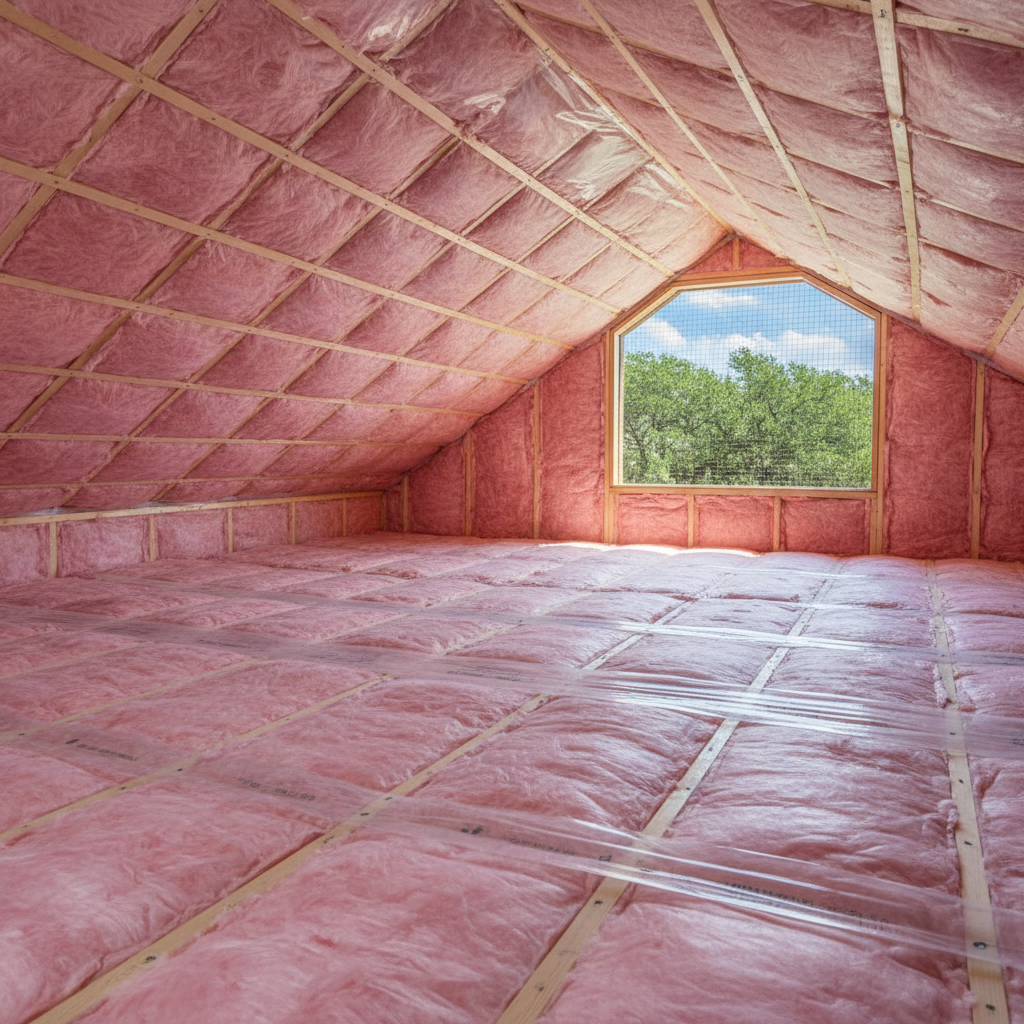
So, you've got batt insulation in your attic or walls. Good choice. It's a solid, cost-effective way to keep your home comfortable, especially with our Texas summers and those occasional cold snaps. But just like anything else in your house, it's not a 'set it and forget it' deal if you want it to perform its best for decades. I've seen plenty of homes around Midlothian where a little bit of attention could've saved folks a lot of headaches and money down the road.
Extending the Life of Your Batt Insulation
The biggest enemy of batt insulation, especially fiberglass or mineral wool, is moisture. It compresses the material, ruins its R-value, and can lead to mold. Here's what you need to do to keep it dry and fluffy:
- Seal up leaks: This is huge. Check your roof regularly, especially after a big storm. Look for water stains on your ceiling or attic floor. Even a small drip can saturate insulation over time. Don't forget plumbing leaks either – a tiny pinhole in a pipe in an exterior wall can cause big problems you won't see until it's too late.
- Ensure proper ventilation: Your attic needs to breathe. Good soffit and ridge vents are crucial, particularly in our climate where attic temperatures can hit 150 degrees or more. If air can't move, moisture gets trapped, and heat builds up, making your AC work overtime and cooking your insulation.
- Keep it clear: Don't stack boxes or store heavy items directly on top of your batt insulation in the attic. Compression is a killer. If you need storage, build a raised platform above the insulation.
- Pest control: Rodents love to nest in insulation. They tunnel through it, compacting it and leaving behind droppings that can create odors and health hazards. Make sure any entry points into your attic are sealed up.
Regular Maintenance Checks: What to Look For
You don't need to be an insulation expert to do a quick check-up. I tell my Alpha Insulation clients to do this once a year, maybe in the fall when the attic isn't quite so scorching hot.
- Visual inspection: Grab a flashlight and take a look. Is the insulation still fluffy and evenly distributed? Are there any dark spots, especially around vents, chimneys, or exterior walls? Dark spots usually mean moisture or mold.
- Check for compression: Are there areas that look flat or matted down? This could be from foot traffic, storage, or even just old age if it's been exposed to too much moisture.
- Look for gaps: Over time, batts can shift, especially if they weren't installed perfectly snug. You want to make sure there are no gaps between the batts or between the batts and the framing. Gaps are like open doors for heat transfer.
- Pest evidence: Look for droppings, nests, or chewed-up areas. If you see signs of pests, you'll need to address that promptly before they do more damage.
Warning Signs of a Problem
Your home will tell you when something's wrong. Pay attention to these signals:
- Higher energy bills: This is often the first sign. If your heating or cooling costs are suddenly spiking without a change in usage or weather, your insulation might not be doing its job.
- Inconsistent temperatures: Are some rooms noticeably hotter or colder than others? This often points to insulation issues in those specific areas.
- Drafts: Feeling drafts even when windows and doors are closed? Could be gaps in your wall insulation.
- Musty odors: A persistent musty smell, especially in the attic or near exterior walls, is a strong indicator of mold or mildew, which means moisture is present.
- Sagging ceilings or water stains: These are obvious signs of a leak that's likely affecting your insulation.
Here in Midlothian, especially with some of the older homes around the historic downtown area, I've seen plenty of attics where insulation has just given up the ghost because of years of neglect or unaddressed leaks. Don't let that be your house.
When to Call a Professional
You can handle the basic checks, but some things are best left to the pros. Call us or another reputable contractor if you notice:
- Significant water damage or mold: This needs professional remediation to ensure it's handled safely and effectively.
- Extensive pest infestations: If you've got a serious rodent problem, you'll want to get that taken care of before you even think about insulation repair.
- Major insulation degradation: If large sections of your insulation are compressed, missing, or just falling apart, it's probably time for a partial replacement or a full re-insulation.
- Persistent energy issues: If you've done all the checks and still can't figure out why your energy bills are high, a professional can do a more thorough energy audit and pinpoint the exact issues.
- You're just not comfortable doing it yourself: Attics can be tricky, hot, and sometimes dangerous places. If you're not comfortable getting up there, that's perfectly fine. We're here to help.
Taking care of your batt insulation isn't rocket science, but it does require a little bit of attention. A well-maintained insulation system means a more comfortable home, lower energy bills, and a longer lifespan for your entire HVAC system. It's an investment that pays off, especially when you protect that investment.