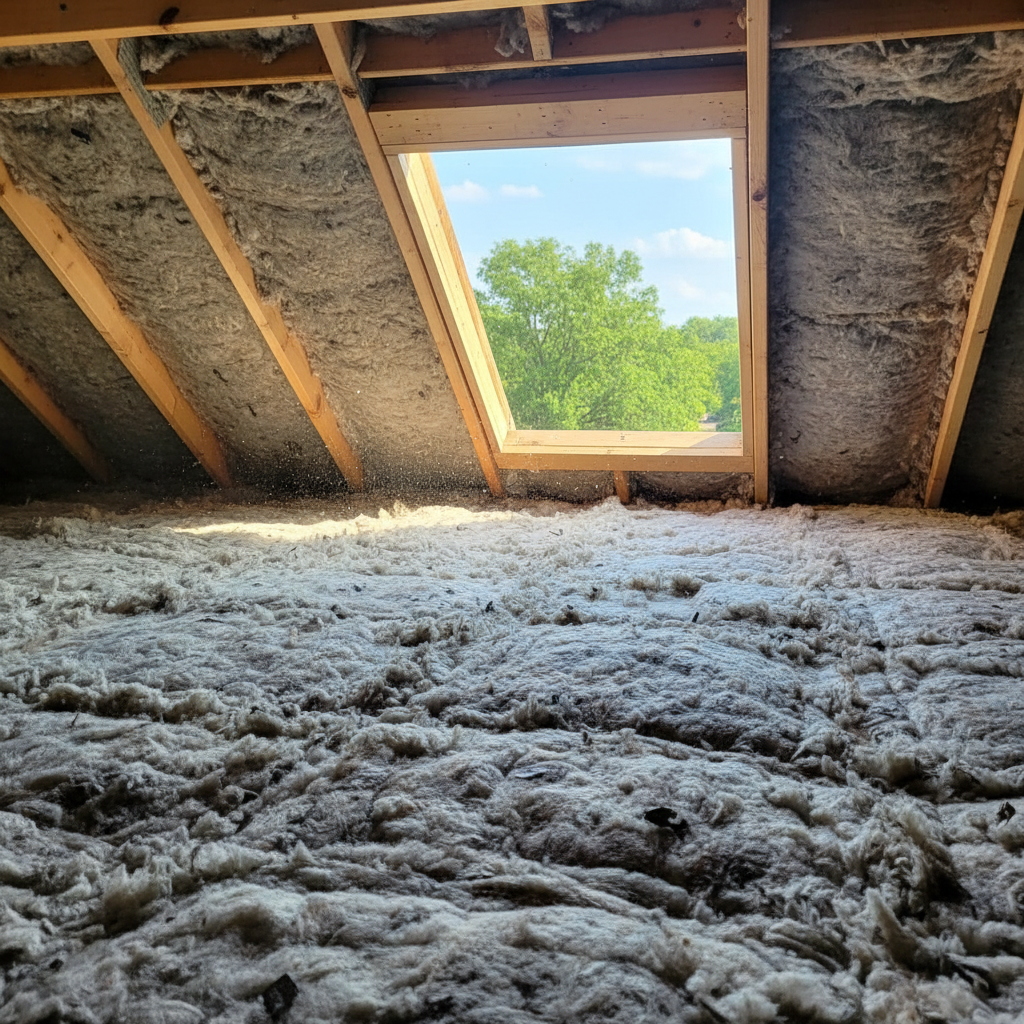
Alright, let's talk about your attic. It's probably not your favorite place, but when it comes to keeping your house comfy and your energy bills down, it's one of the most important spots. I get a lot of calls from folks right here in Midlothian, wondering if they can just throw some more insulation up there themselves. And the answer, like most things in life, isn't a simple yes or no.
Before You Even Think About Insulation
Before you buy a single roll of fiberglass or a bag of blown-in, you've got some homework to do. This isn't just about R-value; it's about making sure you're not insulating over bigger problems that could cost you a lot more down the road.
- Inspect for Leaks: Seriously, this is step one. Head up there on a rainy day or right after a good storm. Look for water stains on the wood, wet insulation, or any other signs of moisture. You absolutely do NOT want to seal in moisture – that's just asking for mold and rot. Fix any roof leaks first. No exceptions.
- Check for Pests: Critters just love attics, don't they? Raccoons, squirrels, rats, even birds. They'll nest in your insulation, chew wires, and leave a real mess. If you spot any signs of pests – droppings, nests, chewed up materials – you need to get them out and seal up their entry points before you do anything else. Otherwise, you're basically just building them a five-star hotel.
- Address Ventilation: Your attic needs to breathe. Good ventilation helps stop heat and moisture from building up, which protects your roof and keeps your insulation doing its job. Look for soffit vents (those are along the eaves) and ridge vents (along the peak of the roof) or gable vents. Make sure old insulation or debris isn't blocking them. Sometimes, especially in older homes around our historic downtown area, ventilation can be pretty minimal, and that's a common problem we see.
- Seal Air Leaks: This is huge. Most homes leak air like a sieve, letting conditioned air from your living space escape into the attic. Think about all those penetrations: recessed lights, plumbing stacks, electrical wires, HVAC ducts, the attic access hatch. Grab a tube of caulk or some expanding foam and seal every single gap you can find. Honestly, this is probably the most impactful DIY task you can do to improve your home's energy efficiency, even before adding more insulation.
What You Can Realistically DIY
Okay, so you've done all the prep work. Now, what's fair game for a weekend warrior?
- Adding Batts Over Existing Insulation: If your current insulation is in good shape (meaning it's dry, not squashed down, and has no pest damage), and you just need to boost your R-value, laying down new fiberglass batts is totally doable. You'll definitely want to wear a good respirator, gloves, and long sleeves. Measure your joist spacing (usually 16 or 24 inches on center) and buy batts that fit. Just remember, don't compress them; insulation needs that fluffy loft to work right.
- Sealing Air Leaks: As I mentioned, this is a fantastic DIY project. It takes patience and a good eye, but you don't need any specialized equipment. You'll be amazed at how much air comes through those tiny gaps.
- Clearing Vents: If your soffit vents are blocked by existing insulation, you can install baffles (sometimes called rafter vents) to create a clear channel for air to flow from the soffit right up to the ridge. These are usually inexpensive and pretty easy to put in.
Remember, safety first, always. Attics can be hot, dusty, and dangerous places. Watch out for nails poking through the roof, electrical wires, and whatever you do, don't step between the joists unless you want to put a foot through your ceiling. Been there, done that, got the repair bill.
When It's Time to Call Alpha Insulation (or another Pro)
There are definitely times when trying to DIY your attic insulation can lead to more headaches, or even be outright dangerous. Here's when you should probably pick up the phone:
- Insulation Removal: If your existing insulation is wet, moldy, pest-infested, or just completely degraded, it needs to come out. This is a messy, unpleasant, and potentially hazardous job. Pros have the right equipment (like powerful vacuums) and safety gear to do it efficiently and safely.
- Blown-In Insulation: Sure, you can rent blown-in machines, but getting even coverage, especially in tight spots or around obstacles, is tougher than it looks. Plus, the material itself can be dusty and irritating. Pros have commercial-grade equipment that makes the job faster and more effective.
- Major Air Sealing: If you've got big gaps, or if your attic is complex with lots of hidden areas, a professional can often do a much more thorough job. We've got thermal cameras and smoke pencils to pinpoint leaks you might miss.
- HVAC Ductwork Issues: If your ducts are in the attic, they need to be sealed and insulated properly. This isn't just about comfort; it's about efficiency. This is usually best left to someone who knows HVAC systems inside and out.
- Lack of Proper Ventilation: If your attic has serious ventilation problems, installing new vents or improving existing ones can be a complex job that might involve roof work.
- Any Safety Concerns: If you're not comfortable working in a hot, cramped space, or if you're worried about electrical hazards or falling, don't risk it. Your safety is worth more than a few bucks saved.
- You're Aiming for Top Performance: If you want to maximize your home's energy efficiency and ensure you're meeting recommended R-values for our climate zone (which can get pretty extreme with those scorching Texas summers and chilly winters), a professional assessment and installation will give you the best results.
Look, I'm all for homeowners doing what they can. But sometimes, the right tool for the job is a professional. For attic insulation, especially if you're dealing with anything more than just adding a fresh layer of batts, it's usually smarter to get a pro involved. We've seen it all up there, and we know how to get it done right the first time.